


COSTA RICA - NATURAL REPOSADO
LOS ROBLES TARRAZU

FARM: Los Posos
VARIETAL: Caturra, Catuai
PROCESSING: Natural Reposado
ALTITUDE: 1,720 meters above sea level
PRODUCER: Los Robles Micromill
REGION: Tarrazú
TASTING NOTES: GREEN APPLE • CARAMEL • MILK CHOCOLATE
ABOUT THE FARM
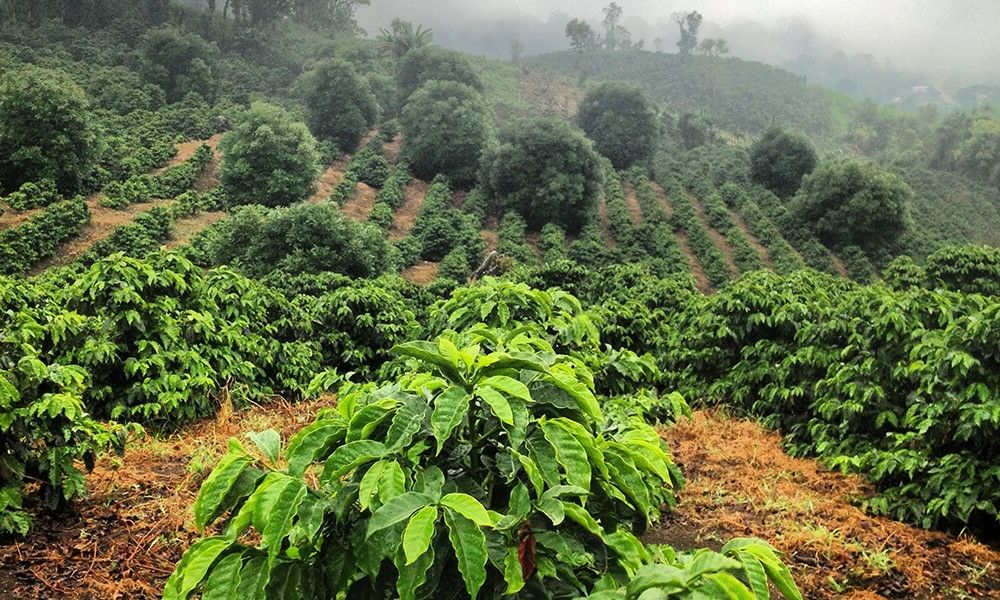
Los Posos is one of the farms managed by Los Robles Micromill in Costa Rica's renowned Tarrazú region. Located at 1,720 meters above sea level, the farm benefits from ideal growing conditions, combining high elevations, fertile soils, and a climate well suited for producing exceptional specialty coffee. Caturra and Catuai varieties are carefully cultivated and harvested at peak ripeness to ensure quality and consistency throughout every lot.
ABOUT THE MICROMILL
Founded in 2000, Los Robles Micromill has become known for its commitment to quality, innovation, and sustainability. Over the years, the family has continuously invested in infrastructure and processing techniques, expanding beyond traditional washed coffees to explore a variety of experimental methods.
This lot undergoes the Natural Reposado process, where carefully selected cherries are fermented on patios before being slowly dried. Once drying is complete, the coffee rests for approximately one month in closed sacks with the fruit and parchment layers intact. This additional resting period allows the beans to absorb more compounds from the surrounding layers, enhancing sweetness, complexity, and depth in the final cup.

COFFEE IN COSTA RICA
Thanks to tireless innovations, the sheer number of coffee varieties, extensive technical knowledge, and attention to coffee production, Costa Rica is one of the most advanced coffee-producing countries in Central America.
The climatic conditions in the country also play a role in the high quality of coffee produced. There are eight coffee regions: Guanacaste, West Valley, Turrialba, Valle Central, Tres Rios, Brunca, Orosi, and Tarrazú, a specific part of Valle Central.
Costa Rica has also become a world leader in traceability and sustainability in coffee production. Ninety percent of the country’s 50,000 coffee farmers are smallholders, and today, many deliver their cherries to boutique micro-mills that often process cherries according to producer specs to retain single-lot or single-farm qualities.
The rise of micro-mill processing, in itself, is a relatively recent development. Before the early 2000s it was common for smaller producers to deliver their cherry to cooperative-owned mills. As lucrative specialty markets developed, more and more farmers began establishing mills on their farms, giving them increased control over processing and more assurance of the ‘traceability story’ so important to the growing market segment. Mills with excess capacity would then offer their services to neighboring farmers, offering a range of processing methods for small lots along with full traceability for roasters and importers. The system has enabled Costa Rica’s small to mid-sized coffee farmers to offer a wide range of differentiated products. Today, specialty lots from Costa Rica are almost as likely to bear the name of the micro-mill where they were processed as that of the producing farm.
The typically uncertain and dry weather patterns in Costa Rica make coffee farming more difficult. Long dry seasons and unpredictable weather patterns have virtually eliminated the possibility of organic farming. Nonetheless, both the government and farmers have taken active steps to protect the environment. Some of these restrictions also inform the processing methods for which Costa Rican coffee has become known.