


ETHIOPIA - BONA ZURIA
NATURAL
- FARM: Bona Zuria Washing Station
- VARIETAL: JARC varieties, Local Landraces
- PROCESSING: Natural
- ALTITUDE: 2,330 above sea level
- PRODUCER: Various Farmers
- REGION: Sidamo
- TASTING NOTES: Cranberry, Honey, Caramel
ABOUT THIS COFFEE
Bona Zuria washing station is located in Bona Zuria village in the Sidamo region, where altitudes range from 2,000 to 2,330 meters above sea level—creating ideal conditions for coffee cultivation. These highlands were previously considered too elevated for coffee, but recent temperature changes have made cultivation possible.
CULTIVATION
The Bensa zone in Sidamo has gained recognition for its high-quality coffees in recent years. Bona is situated in the same highlands as the well-known Bombe region. Coffees from the Bona Zuria district are notable for their brightness, intensity, and unique flavor profiles that rival the famed Yirgacheffe region.
Coffee cultivation in these highlands is relatively recent, with many plantations only about 10 years old. The trees are now in their prime, producing excellent yields of high-quality coffee. The broader region experiences fluctuations in harvest and quality due to limited agricultural practices, but the younger plantations in Bona help maintain the bright and floral cup characteristics Ethiopia is known for.
Sidamo’s strength lies in its diverse profiles, shaped by many microclimates and varying soil types. Local landrace varieties differ from town to town and even farm to farm, and when blended at the cooperative, the resulting coffee expresses the complexity of the region’s genetics.
Farming methods in Sidamo remain largely traditional. Farmers typically intercrop coffee with other food crops to maximize land use and provide food for their families. Most farms are organic by default, using very few—if any—fertilizers or pesticides. Manual labor is the norm, and few tasks are mechanized, even during processing.
HARVEST & POST-HARVEST
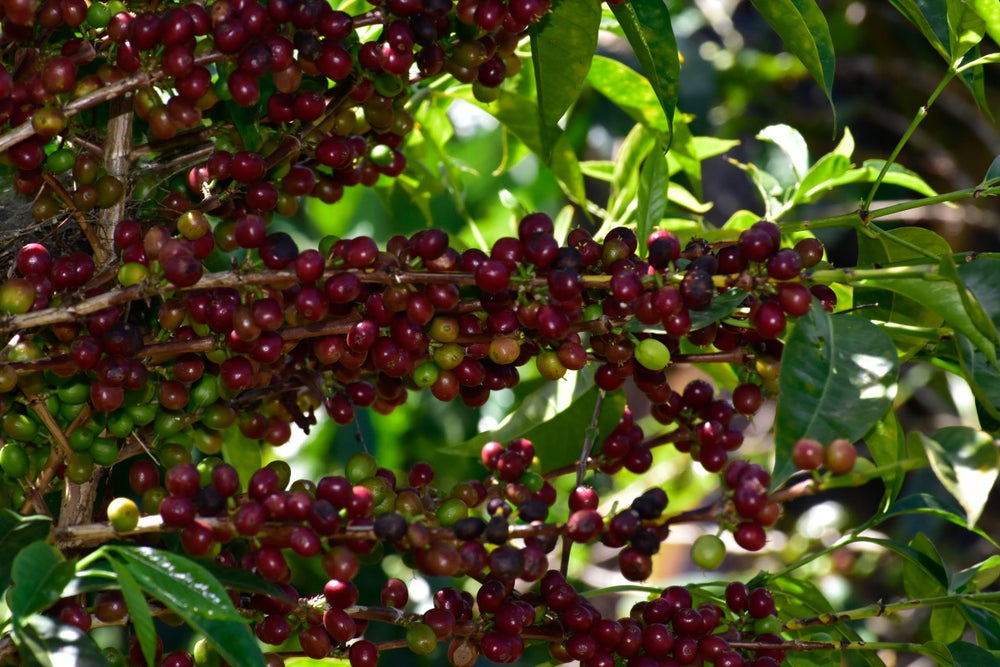
Farmers selectively handpick ripe cherries and deliver them to the washing station. At intake, employees visually inspect the cherries and accept only fully ripe ones for anaerobic fermentation. Selected cherries are tightly packed in GrainPro bags and sealed to ferment without oxygen for 18 to 24 hours.
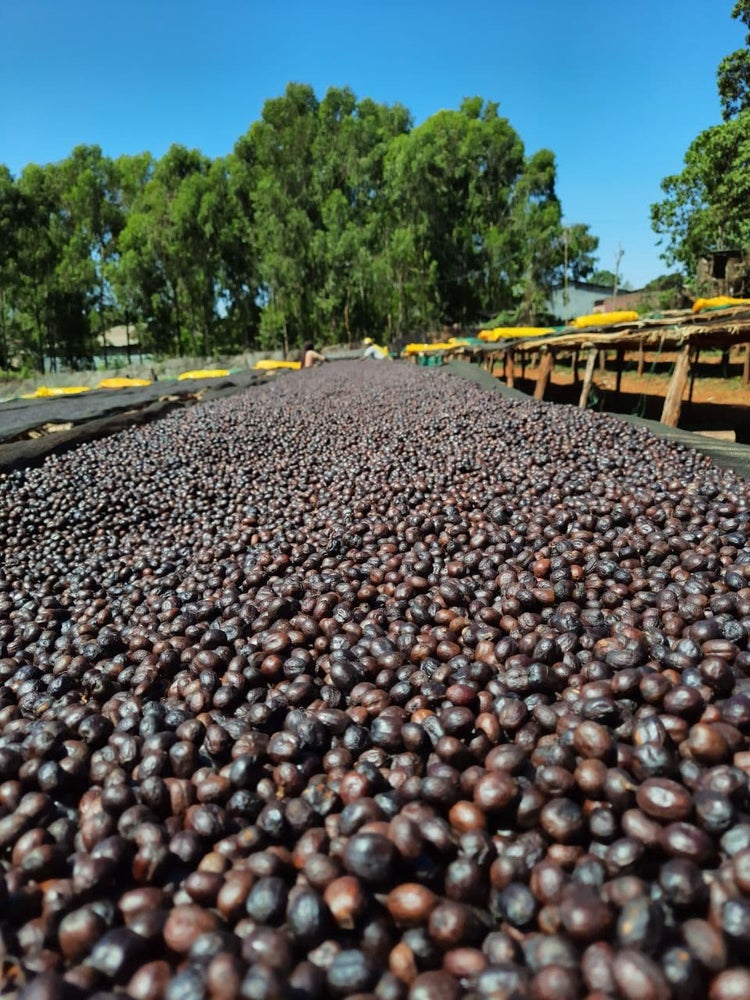
After fermentation, cherries are carefully removed from the bags and laid to dry in direct sunlight on raised beds. Workers turn the cherries frequently to ensure even drying. The drying process typically takes 2 to 3 weeks.
COFFEE IN ETHIOPIA
While Ethiopia is famous as coffee’s birthplace, today it remains a specialty coffee industry darling for its incredible variety of flavors. While full traceability has been difficult in recent history, new regulations have made direct purchasing possible. We’re partnering directly with farmers to help them produce top quality specialty lots that are now completely traceable, adding value for farmers and roasters, alike.
The exceptional quality of Ethiopian coffee is due to a combination of factors. The genetic diversity of coffee varieties means that we find a diversity of flavor, even between (or within) farms with similar growing conditions and processing. In addition to varieties, processing methods also contribute to end quality. The final key ingredients for excellent coffee in Ethiopia are the producing traditions that have created the genetic diversity, processing infrastructure and great coffee we enjoy today.
Most producers in Ethiopia are smallholders, and the majority continue to cultivate coffee using traditional methods. As a result, most coffee is grown with no chemical fertilizer or pesticide use. Coffee is almost entirely cultivated, harvested and dried using manual systems.
ALSO AVAILABLE IN:
DESERT BLOOM COFFEE BUNDLE
